Aviation Academy
Earn college credit and train on a flight simulator on campus.
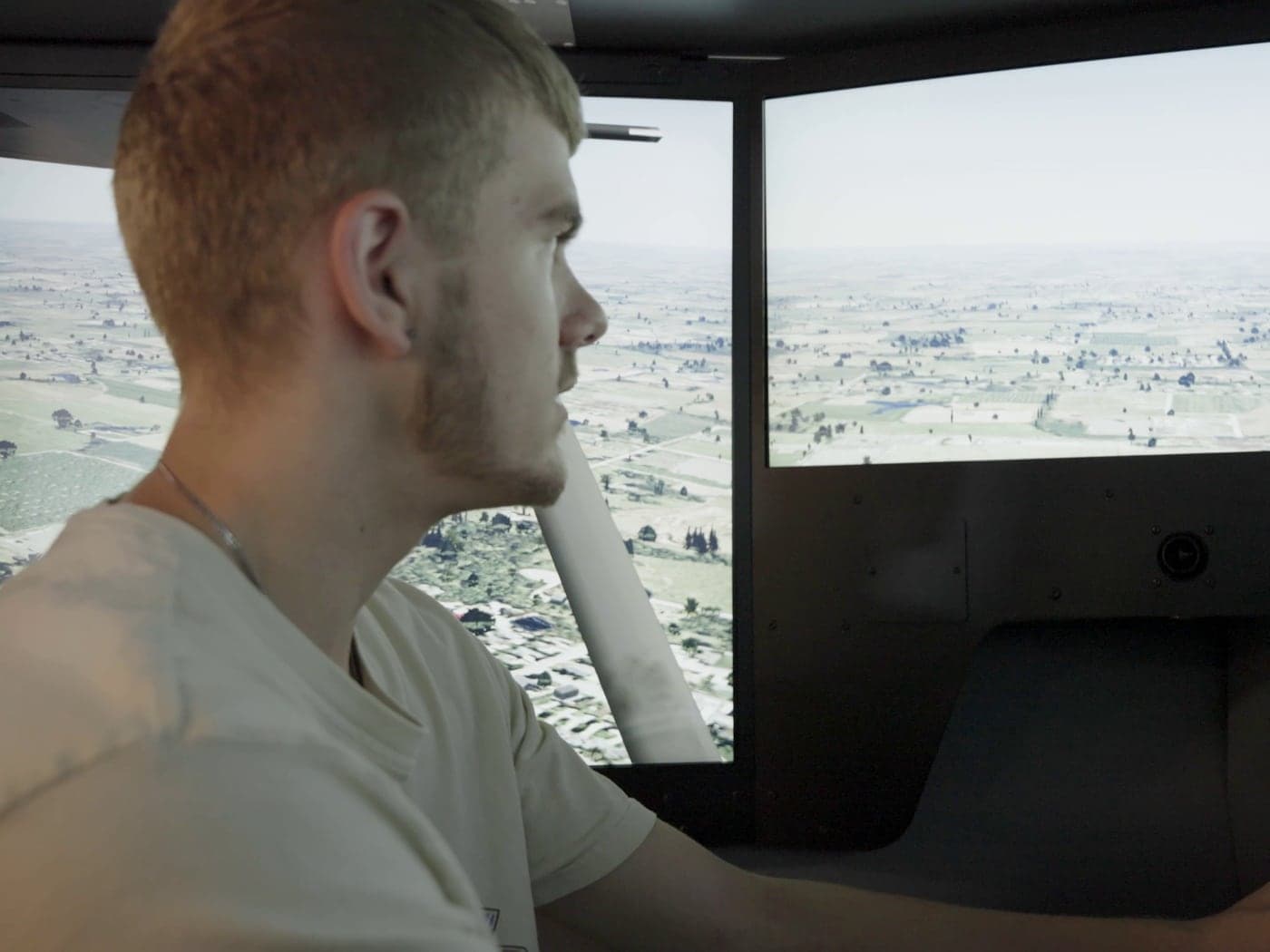
The Aviation Academy introduces students to the science, the skill, and the career of flight. Students earn Embry-Riddle Aeronautical University college credit, train on a flight simulator right on campus, and learn from a working aviation professional, building a real foundation for aviation and aerospace pathways.
- Earn Embry-Riddle Aeronautical University college credit while still in high school
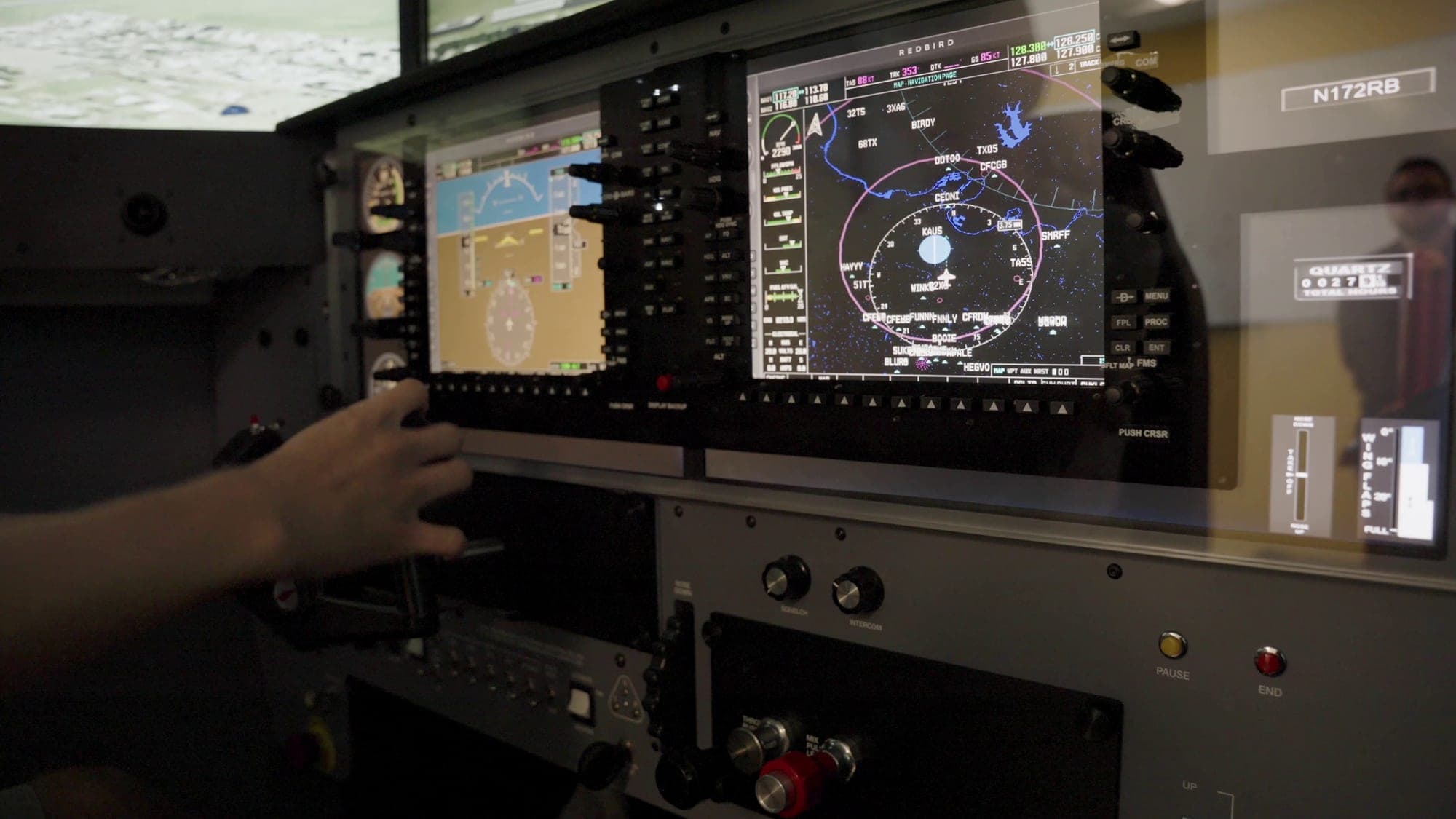
- Train on a RedBird FMX full-motion flight simulator on campus
- Follow an FAA-approved curriculum built for real aviation careers
- Learn from a commercial pilot and career aviation professional
- Build a foundation for aviation, aerospace, and engineering careers
Earn Embry-Riddle college credit in high school.
Highland Prep West partners with Embry-Riddle Aeronautical University, one of the most respected aviation and aerospace universities in the country. Students earn real university credit through dual enrollment while they are still in high school.
Dual credit means one course counts twice: students earn Highland Prep West credit toward graduation and Embry-Riddle credit toward a college degree at the same time. Those credits transfer to Embry-Riddle and to many other universities.
Together the two courses below carry 6 college credits.
Introduction to Aeronautical Science
The foundation course of the aeronautical science degree. Students study aerodynamics, aircraft systems, weather, and how aircraft operate inside the national airspace system.
Aeronautical Science Lab
The paired lab, where students put the coursework to work at the flight simulator, flying the maneuvers and procedures they study in class.
What you’ll do.
The Aviation Academy blends college-level coursework with hands-on time at the controls.
Fly the simulator
Log time at the controls. Practice takeoffs, navigation, instrument approaches, and landings on the RedBird FMX, then debrief and try again.
Learn real aeronautical science
Study the same fundamentals a college aviation student learns: aerodynamics, aircraft systems, weather, and the rules of the airspace.
Earn college credit
Complete Embry-Riddle coursework that carries both high school and university credit, and connect with the aviation and aerospace industry along the way.
The careers this opens up.
Aviation is a wide field. The foundation students build here points toward flight decks, engineering teams, control towers, and maintenance hangars.
Airline or commercial pilot
Fly for airlines, cargo, corporate, and charter operators.
Median pay$122,670 to $226,600Projected growth+4%Aerospace engineer
Design, build, and test aircraft, spacecraft, and their systems.
Median pay$134,830Projected growth+6%Air traffic controller
Direct aircraft safely and efficiently through the national airspace.
Median pay$144,580Projected growth+1%UAS / drone operator
Fly and program unmanned aircraft for mapping, inspection, and public safety.
Median pay$77,000 to $94,000Projected growth+51%Aircraft maintenance technician (A&P)
Inspect, repair, and keep aircraft airworthy as a certified mechanic.
Median pay$78,680Projected growth+5%
Median annual pay (May 2024) and projected 2024 to 2034 employment growth, U.S. Bureau of Labor Statistics. Pilot pay shown as the range from commercial to airline pilots. Drone operator figures are industry averages with a five-year demand projection.
The RedBird FMX flight simulator.
Students train on a RedBird FMX housed right on campus, flying real procedures in a realistic cockpit long before they ever leave the ground.
Students train on a RedBird FMX, a full-motion flight simulator that puts them in the pilot's seat with working controls, instruments, and a wraparound view of the world outside. Working one-on-one with a certified flight instructor, students can log simulator time that counts toward FAA requirements.
- FAA-approved Advanced Aviation Training Device (AATD)
- Three-axis electric full-motion platform
- Immersive wrap-around visuals
- Glass-cockpit PFD and MFD controls
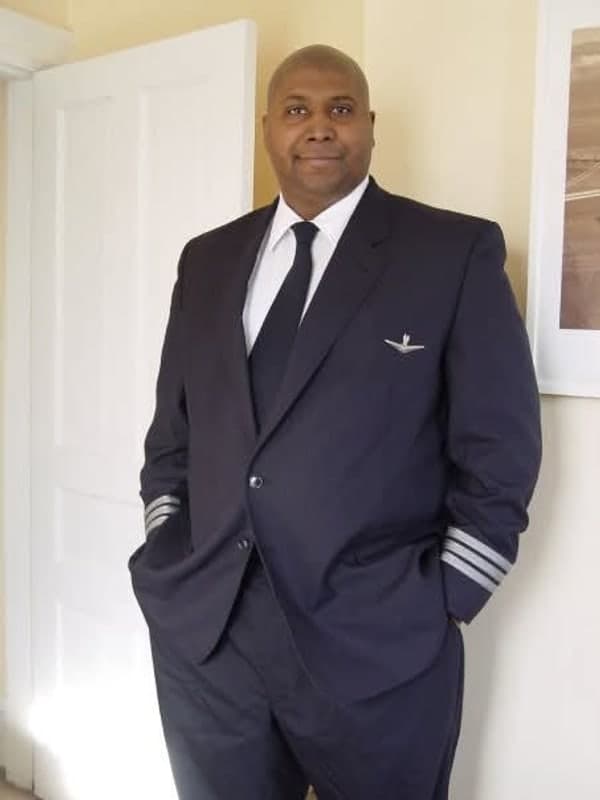
Aaron Jones
Aaron Jones is an Aviation Academy instructor at Highland Prep West. He is a commercial pilot and career aviation professional who has spent more than two decades in the cockpit, on the airfield, and in the classroom.
He has flown as a first officer on regional jets for American Eagle, on the Boeing 727, and on business jets including the Learjet and Phenom, and he serves as a Command Pilot with the Civil Air Patrol. On the ground, he has managed airport operations and security at major airports including Pittsburgh International and Fort Lauderdale-Hollywood International.
Mr. Jones taught in the College of Aviation at Embry-Riddle Aeronautical University for four years, covering aircraft performance, jet transportation systems, crew resource management, and airport management, and he still teaches there as an adjunct professor. He holds a bachelor's degree in aeronautics from Embry-Riddle and a master's in emergency and crisis management, and he is completing a PhD in aviation and space education. He is also a United States Marine Corps veteran.
His certificates include Commercial Pilot, Flight Engineer, Advanced Ground Instructor, and small unmanned aircraft (drone) pilot.
Common questions.
See it in person.
Tour the campus, meet the teachers, and start your student's application.